
In Limpopo, when someone we love passes away, we do more than just mourn – we honour. We speak their name, remember their ways and make sure that their spirit is never forgotten. We believe in showing respect to the ones who have gone before us. And one way we do this is by placing a tombstone on their grave.
But choosing that stone is not always easy. Some people ask, “Should we use concrete? Should we use granite? What is the best way to make sure our loved one is remembered well?” To answer that, it helps to know how tombstones have changed over time – and what really makes one last longer than the other.
The Journey of Tombstones Through Time
In the old days, many African families marked graves with simple items – stones, wood or traditional objects like pots or animal horns. Some would plant a tree or leave a carved symbol. These practices were full of meaning and passed down with love. Even today, many of our elders still speak of those times with great respect.
As time went on and as African families mixed old ways with newer ones, we began to see more tombstones made with shaped stone – something to last longer and carry the names of our mothers, fathers, sisters and children.
Today, in many cemeteries across Limpopo – whether in Phalaborwa, Polokwane or Sekororo – you will find both concrete and granite tombstones. They may look similar at first. But over time, the differences show.
Concrete: A Practical Option
Concrete is made by mixing cement with sand, stone and water. It’s affordable and can be shaped into many designs. Some people paint it or polish it to give it a shine. When budgets are tight, concrete allows families to still mark a grave in a respectful way.
But after a few years, the weather starts to wear it down. The hot Limpopo sun, heavy rains and frost can cause concrete to crack, chip or fade. The writing might become hard to read and the surface can begin to break apart. A tombstone that once looked smooth and new may end up needing repairs sooner than expected.
Still, concrete has given many families a way to honour their loved ones when money is short. And that in itself is a form of dignity.
Granite: Stronger, Smarter, Longer Lasting
Granite is a natural rock formed deep in the Earth. It is one of the hardest materials known, used around the world for buildings, monuments and tombstones. It comes in beautiful colours – black, grey, red and blue – with patterns that are made by nature, not machines. No two granite stones are the same.
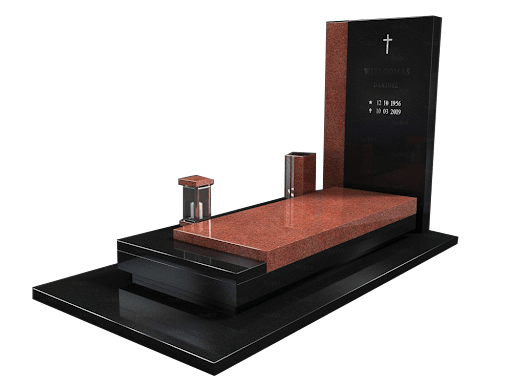
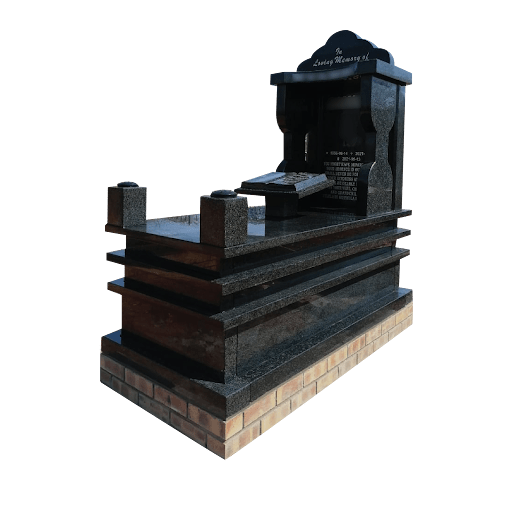
Because granite is so hard, it doesn’t crack in the sun or break in the rain. Names carved into granite remain clear for many years, even decades. There’s no paint to peel, no surface to chip. Once it is placed on the grave, it stands firm.
Many people feel granite brings a kind of peace to the burial site. It looks calm. It doesn’t shout, but it speaks. In Venda, we say vhumbulula – to remind or reveal. Granite reveals our care, our pride and our respect. And because it does not fade, the memory remains clear for future generations.
When it comes to something that must last beyond our own years, granite gives us confidence. It’s like the difference between building with clay and building with stone. One may serve for a season; the other for generations.
Cost vs Value
Yes, granite costs more than concrete. It requires special tools and skilled hands. But think of it like buying school shoes for your child – you don’t want the pair that falls apart after one term. You want the pair that stays strong until they’ve grown out of them.
Some families save over time. Others ask for support from relatives. Some choose to delay the unveiling until they can afford a better stone. And more and more are choosing to use lay-bye plans, which allow them to pay slowly without pressure. This makes granite possible, even when money is tight. Many who choose granite say it brings them peace – they don’t have to worry about fixing or replacing it.
Once it is there, it is there.
Remembering the Purpose
Whether you are from Tzaneen or Nkowankowa, what matters most is the heart behind the stone. We don’t buy tombstones just to follow fashion. We buy them to honour the people who shaped us. To mark their place with respect. To let future generations know – they were here. They mattered!
Granite does that job better. It lasts longer. It looks dignified. It keeps the names of our loved ones safe, even long after we are gone. And maybe that’s the truest test of a tombstone – not how much it cost or how fancy it looks, but how well it holds the story.

Remember
In the end, both granite and concrete can be used with love. Both can bring comfort to a grieving family. But if you want a tombstone that does not break, does not fade and stands like a mountain through the years, then granite is the better choice.
If you have any questions or want to install a tombstone, contact us today. Visit our website or give us a call. Let Thabaletsi Tombstones help you create a lasting tribute.
If you found this information useful, share it with others. We’d love to hear from you, and we’re always happy to answer your questions.
Explore Thabaletsi Tombstones today online or visit one of our branches in person – where affordability, quality and care come together to help you honour every memory with the perfect tombstone.